
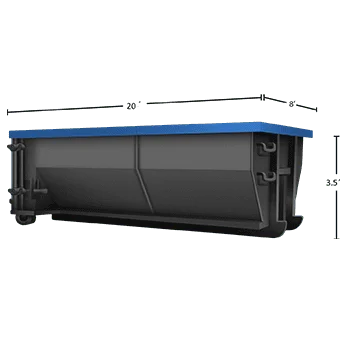
Describe the surface and ordinary property use
Identify the proposed area and any relevant limitation known to the owner, such as a recently completed surface or an access route that must remain open. Have the provider assess the offered equipment and placement. Do not promise that any surface is suitable or that a protective material guarantees against damage.
Resolve restrictions before directing delivery
Ask the responsible owner or authority about the proposed location, particularly where public space or shared access is involved. A photograph of an empty area is not permission to occupy it. Keep utility, structural and site-safety decisions with qualified responsible parties rather than making assumptions from the container’s apparent footprint.
Keep pickup possible after loading
Plan where vehicles, materials and site activity will be when collection is due. Follow the provider’s accepted loading and access instructions and arrange a review if the proposed load or position changes. Do not move the dumpster with site equipment or add unaccepted waste because it is convenient to do so before the truck returns.
Questions before you book
Does the space available at delivery guarantee straightforward pickup later?
No. Consider later parking, site work, accepted loading and the provider’s required collection access.